ADAPTIVE TRADING MODELS

Our Models

Oculus Quant runs a coordinated multi-model trading system where each model does one job exceptionally well—then they work together as a single portfolio.
Instead of forcing one strategy to trade every market condition, we split the problem: specialized models focus on different assets and behaviors (e.g., FX mean reversion vs gold trend), and a shared intelligence layer compares their signals in real time.

A central portfolio engine then blends, prioritizes, or sidelines models depending on the market regime—so exposure shifts to the model with the cleanest edge while weaker conditions get filtered out. The result is a system that behaves like a team: one model can lead, others can confirm, and when the environment is noisy, the whole stack can step back.

No discretion. No emotions. Specialized models, working in sync, under one risk framework

Oculus Echo - Mean Reversion

Active

Close-up of a digital interface showcasing futuristic graphs and data analytics in low light.

Echo is our FX mean-reversion engine, designed to capture snapbacks after short-term dislocations in liquid currency pairs. It targets moments where price overshoots due to flow, positioning, or liquidity imbalances—then waits for confirmation before engaging.

Echo doesn’t trade everything: it applies volatility + regime filters to avoid low-quality conditions and overtrading. Inside the portfolio, Echo acts as the “stability” sleeve—more active in rotational markets, while stepping back when trend conditions dominate.

Key focus: filtered FX reversion, controlled risk, systematic execution.
Oculus Vector - Trend Following

Active
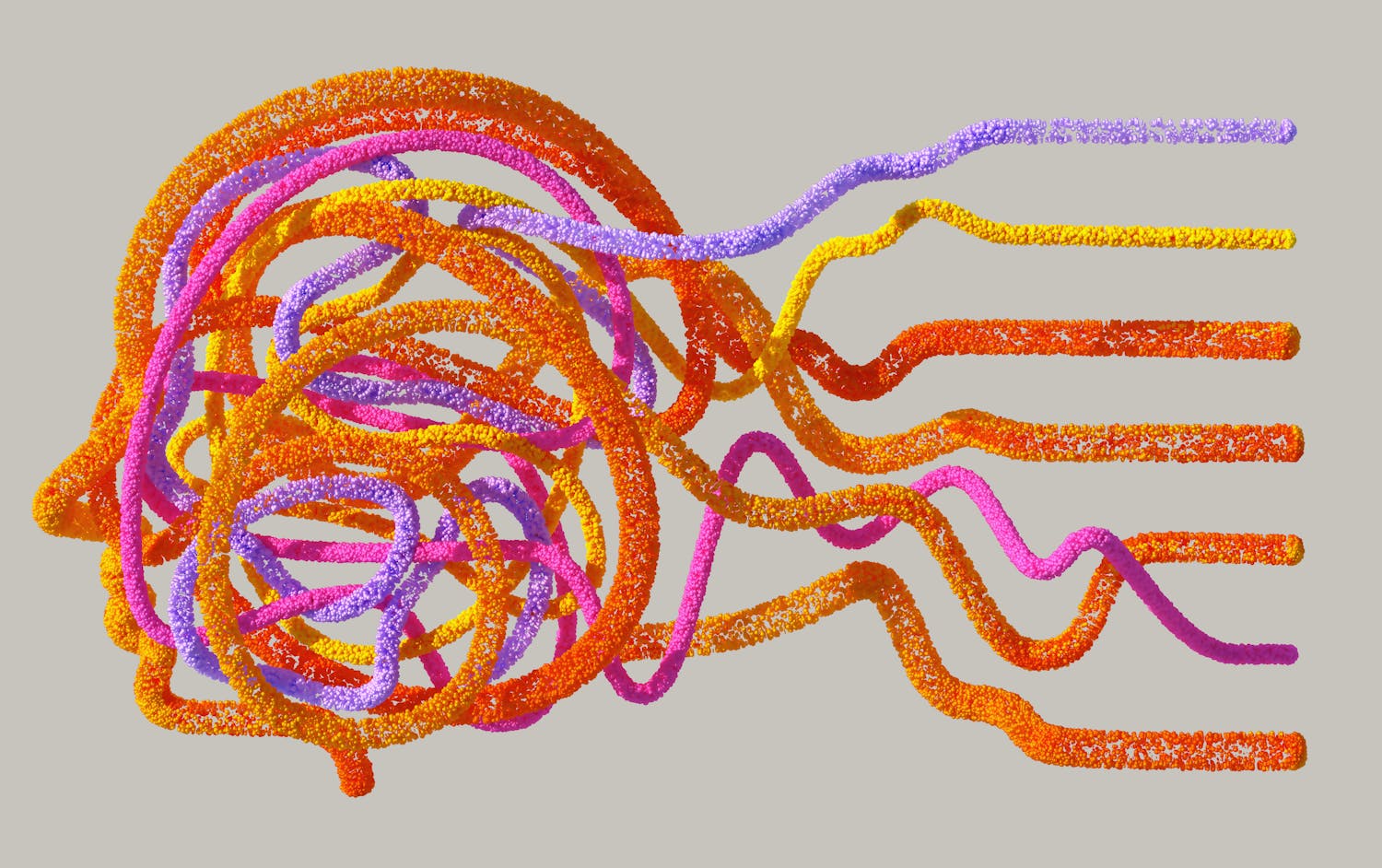
Vibrant 3D rendering depicting the complexity of neural networks.

Vector is our multi-asset trend engine, designed to trade sustained directional moves across indices, equities, metals, and crypto. It focuses on identifying when markets transition from compression into momentum expansion, then participates with rule-based entries and systematic trade management.

Vector doesn’t chase every breakout. It uses structure and volatility alignment to validate direction and filter weak signals. Inside the portfolio, Vector acts as the “expansion” sleeve—taking more weight when trend regimes are clean, and downshifting when conditions turn choppy.

Key focus: multi-asset trend capture, breakout validation, consistent risk.